
Baja’s desert is not only a landscape. It is a pantry. Long before the first resort, the peninsula’s Indigenous people knew which plants could be eaten, brewed and infused, and two of them remain unmistakably local: damiana and pitaya.
Both are native to the peninsula’s deserts and have long ties to Indigenous food and ritual. They are not part of the same recipe, but they belong to the same idea: that the most memorable flavors of a place are the ones you cannot get anywhere else.
Damiana: The Amber Liqueur of La Paz
Damiana (Turnera diffusa) is a small, aromatic shrub with pale oval leaves and yellow flowers. The Guaycura people of what is now Baja California Sur are commonly credited with its early use, and the dried leaves are still infused in alcohol to make an amber liqueur with a herbal, slightly floral sweetness. The best-known brand is Guaycura, and small-batch versions are made in La Paz.
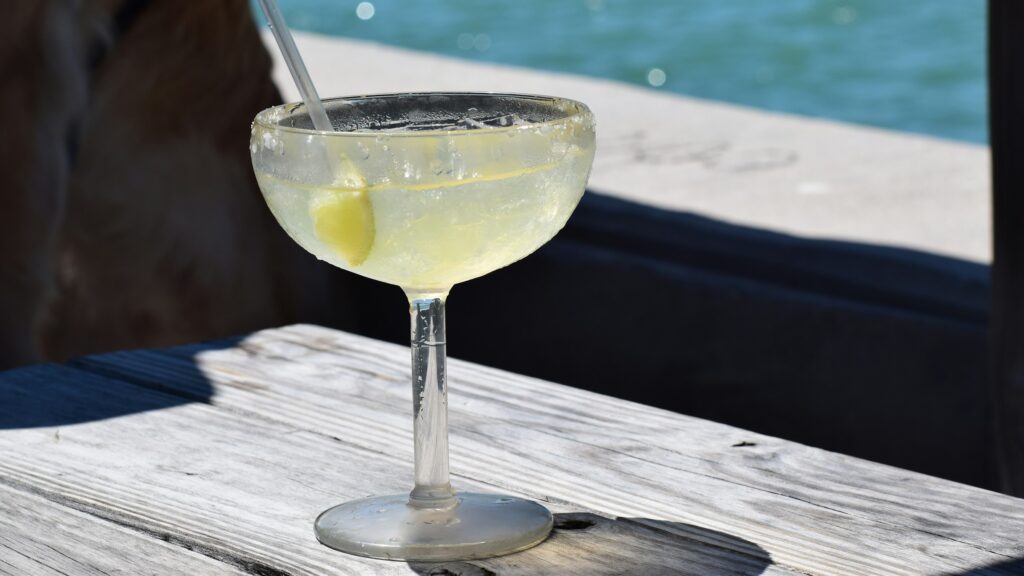
Baja folklore says the original margarita used damiana in place of triple sec. It makes a lovely story, though historians of cocktails treat it skeptically. Order it neat, over ice, or in a margarita at a good bar and judge for yourself.
Pitaya: Summer’s Desert Jewel
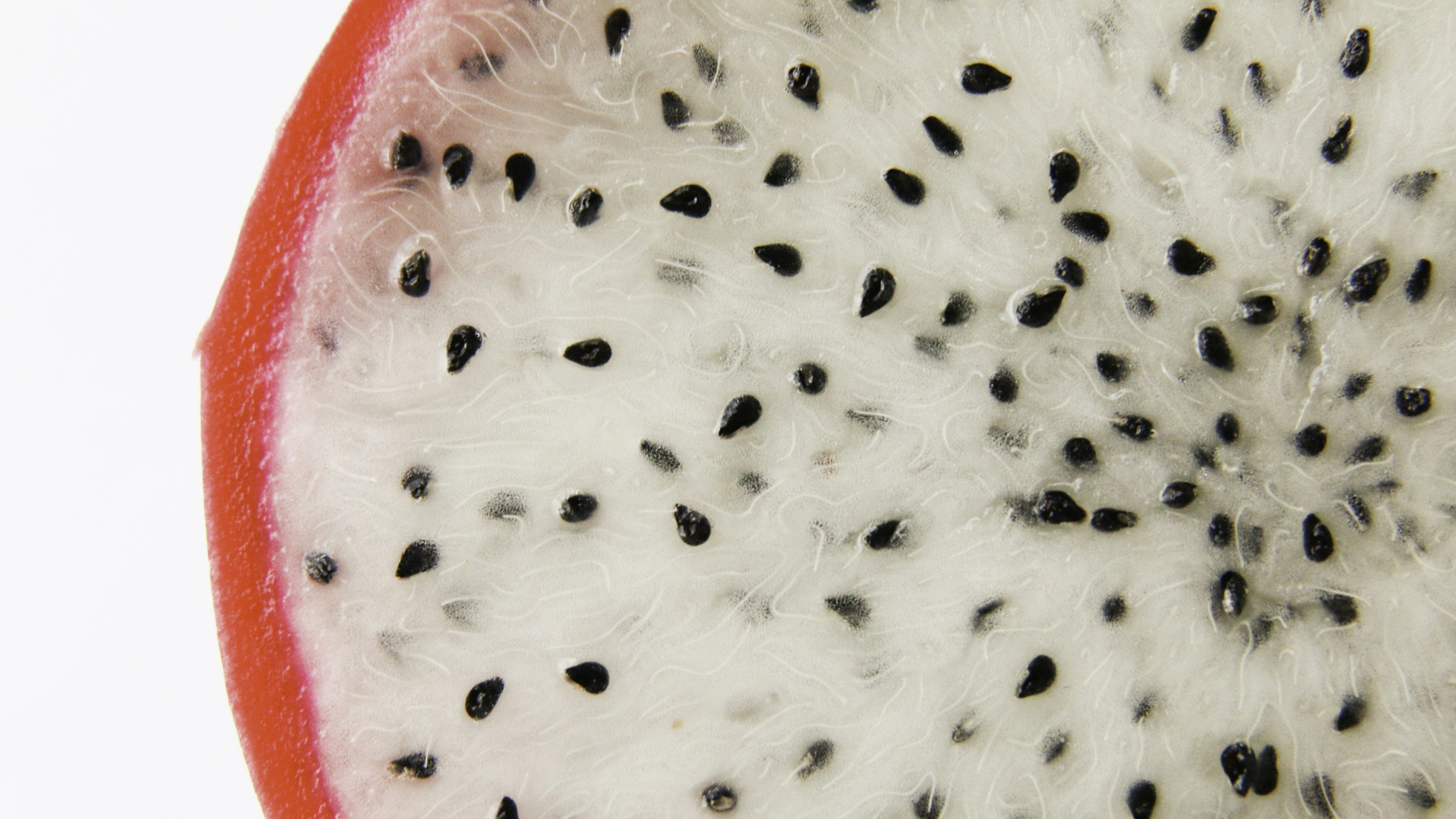
Do not confuse Baja pitaya with the dragon fruit of supermarkets. True pitaya grows on columnar cacti, is smaller, brilliantly sweet, and highly seasonal, generally ripening from June through August. The fruit of the organ pipe cactus, known as pitaya dulce, was an important food for the peninsula’s Indigenous people, and a related species, the sour pitaya, is near-endemic to Baja.
If you travel in summer, ask for it at markets and in the old town of San José del Cabo, where local ingredients turn up in restaurants and cocktails.
Bring It Into Your Stay
Our concierge can build a tasting around these native flavors: a private chef who works with local ingredients, a cocktail hour at home, or a table at one of the top restaurants where they appear on the menu.
FAQ
What is damiana?
A desert shrub native to Baja, used by the Guaycura people and today infused into an amber herbal liqueur.
When is pitaya in season?
Typically June through August, when the fruit of the native cactus ripens.
Is Baja pitaya the same as dragon fruit?
No. Dragon fruit grows on a sprawling vining cactus and is larger and milder; Baja pitaya grows on columnar cacti and is smaller, sweeter and strictly seasonal.
Taste Baja on Your Terms
Let our concierge design a tasting stay in the area that suits you.