
About two hours from Los Cabos, past the East Cape’s quiet fishing towns, sits one of the great marine conservation stories in North America: Cabo Pulmo National Park, home to the oldest living reef system on the west coast of the continent.
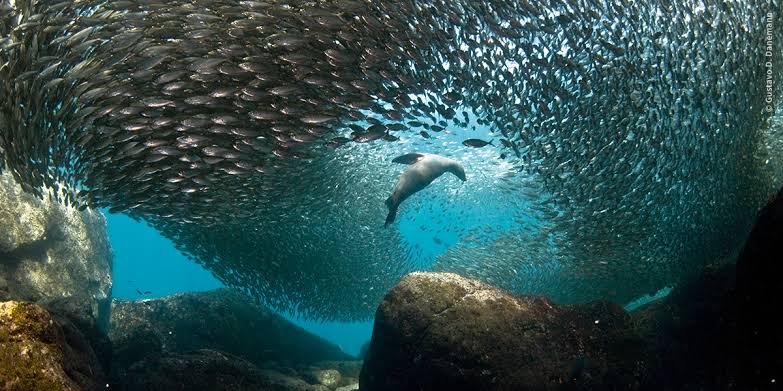
Jacques Cousteau once called the Sea of Cortez the world’s aquarium, and Cabo Pulmo is where that reputation is easiest to believe — schools of jack so dense they blot out the sun, resident sea turtles, and reef sharks patrolling structures 20,000 years in the making.
It’s a full-day trip from Cabo San Lucas or San Jose, but for anyone who snorkels or dives, it belongs on the same short list as the Arch and Cerritos Beach.
What Makes Cabo Pulmo Different
A Conservation Success Story
After overfishing nearly destroyed the reef in the 1980s, the local community pushed for federal protection, and the park was established in 1995. A peer-reviewed study tracking the reserve from 1999 to 2009 recorded a 463 percent increase in total fish biomass — including roughly a tenfold increase in top predators — one of the most dramatic marine recoveries ever documented.
The Fish Bola
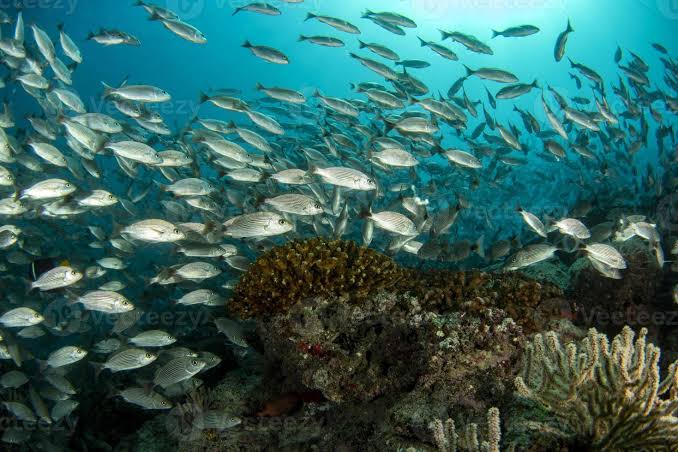
The park’s signature sight is its massive schools of jack and snapper, known locally as a ‘bola,’ swirling in tight, silver formations that divers travel from around the world to see.

Sea Turtles & Reef Sharks
Green and hawksbill turtles are common sightings on nearly every dive, alongside occasional bull sharks and reef sharks patrolling the deeper structures.
Planning Your Visit
Snorkeling vs. Scuba
Much of the reef’s shallower structure is accessible to snorkelers, though certified divers will see considerably more, including the deeper bola formations and occasional pelagic visitors.
Best Season to Visit
Visibility and water temperature peak from July through November, though the park is diveable and worth visiting nearly year-round with the right wetsuit.
Getting There From Los Cabos
Most visitors book a guided tour that handles the roughly two-hour drive from Cabo San Lucas or San Jose del Cabo, along with gear and a local dive guide familiar with the park’s protected zones.
Frequently Asked Questions
Is Cabo Pulmo good for beginner snorkelers?
Yes — much of the shallow reef is calm and accessible, though the best sightings, including the large fish bola, are typically found a bit further out with a guide.
How far is Cabo Pulmo from Cabo San Lucas?
About two hours by car, making it a full-day excursion best booked as a guided tour rather than a self-drive trip.
Why is Cabo Pulmo considered special among marine reserves?
A widely cited study tracked the park from 1999 to 2009, ten years after it was established, and recorded a 463 percent increase in total fish biomass — one of the most dramatic marine recoveries ever documented, and a reference case for reserve design worldwide.
See the Sea of Cortez at Its Healthiest
Cabo Pulmo is worth the drive for anyone serious about what’s beneath the surface.
Ask your Ronival concierge to arrange a guided snorkeling or diving day trip during your stay.